LATEST POSTS
Podcast Episode 09b – The Boularderies of Little Bras d’Or
In 1744 the French and English beat the drums of war, and Antoine de La Boularderie finds himself in the middle of a conflict that rages across Cape Breton Island and Acadia. In the second part of this episode, we will listen to Antoine’s eyewitness account of the days leading up to the first siege of Louisbourg. We will also visit Little Bras d’Or, a once thriving French settlement in the heart of Cape Breton and the home of the Boularderie Family. MUSICAL CREDITS: — Robert Deveaux & Les Zorvenants – “Cela me réjouit” (Lost World theme) — Les Habitants…
Podcast Episode 09a – The Boularderies of Little Bras d’Or
Although Antoine Le Poupet de La Boularderie and his father Louis-Simon have been designated Canadian Historic Persons – individuals who made significant contributions to the history of Canada – their story has only ever been partially told. Part of their story can be found on Cape Breton Island, another part in France, and still another part in the American State of South Carolina. Who were the Boularderies? How did they impact the early history of Cape Breton Island and Canada? And how is it that their story is so fragmented? In order to answer these questions, we will reassemble the…
A New Page On Our Website
A new page entitled “Services for Museums & Heritage Organizations” has been added to our website. Designed for professionals working in the Cultural Heritage sector, this page provides an overview of services available to historical organizations that are seeking to craft their own unique narrative, create engaging story-driven content, and promote their collections. This page can be found in the menu at the top of this website.
Monsieur de Poilly’s 1757 Winter Tour of Cape Breton Island – Part 4
French Engineer Grillot de Poilly arrives in Port Toulouse, present-day St. Peters, Nova Scotia and gives a thorough assessment of what he finds there. This portion of his journal contains much valuable information about the Mi’kmaq that inhabited the area at this precarious time in Cape Breton’s history. In some places we’ve inserted a question mark into the transcript. This has been done for a couple of reasons. Firstly, it seems that some words were originally written in shorthand, and so one has to make an educated guess based on the context of the sentence. Another reason is that the…
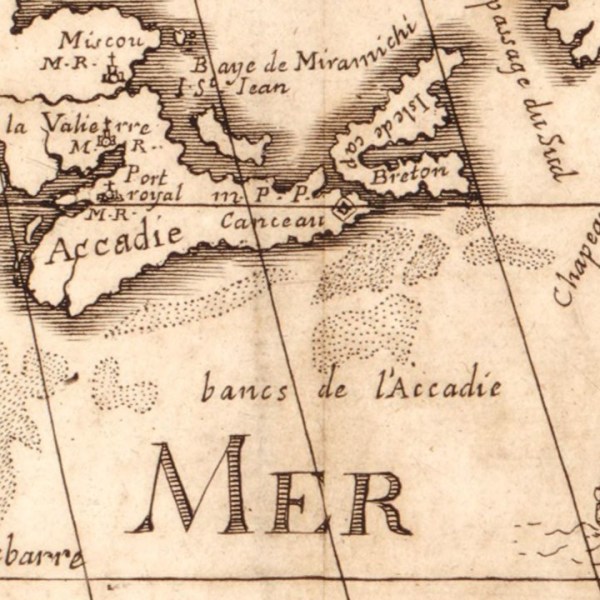
FULL AUDIOBOOK – The Acadians, by Caroline-Isabelle Caron (Narrated by J.R. Bourgeois)
The audio book “The Acadians” was produced in collaboration with the Canadian Historical Association. This book is booklet #33 of the CHA’s Immigration and Ethnicity in Canada booklet series. Founded in 1922, the Canadian Historical Association / La Société historique du Canada is a bilingual not-for-profit and charitable association devoted to fostering the scholarly study and communication of history in Canada. The Association seeks to encourage the integration of historical knowledge and perspectives in both the scholarly and public spheres, to ensure the accessibility of historical resources, and to defend the rights and freedoms of professional and emerging historians in…
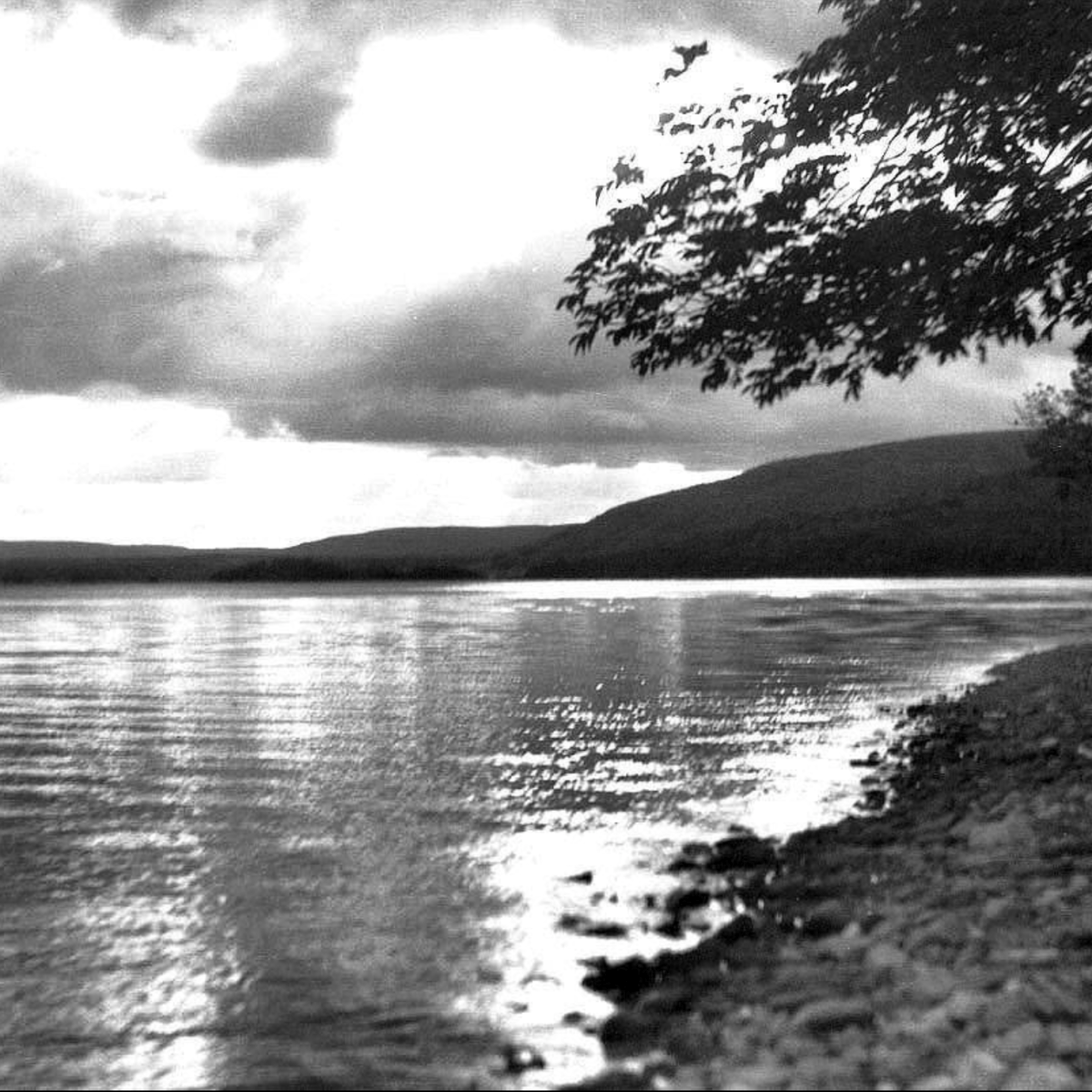
Falling Through the Cracks: An 18th Century Acadian Village on the Bras d’Or Lakes?
The years leading up to the second siege of Louisbourg were some of the most tumultuous and uncertain that the island of Cape Breton had ever seen. Despite the apprehension, however, people living on the island were making plans for their future. In the 1750s, the French Governor, the Count de Raymond, ordered three roads to be built that would connect the main settlements of Cape Breton – Louisbourg, Port Dauphin (St Ann’s) and Port Toulouse (St Peter’s) – to the Bras d’Or Lakes and, therefore, to each other. In other parts of the island, like Baie des Espagnols (Sydney…
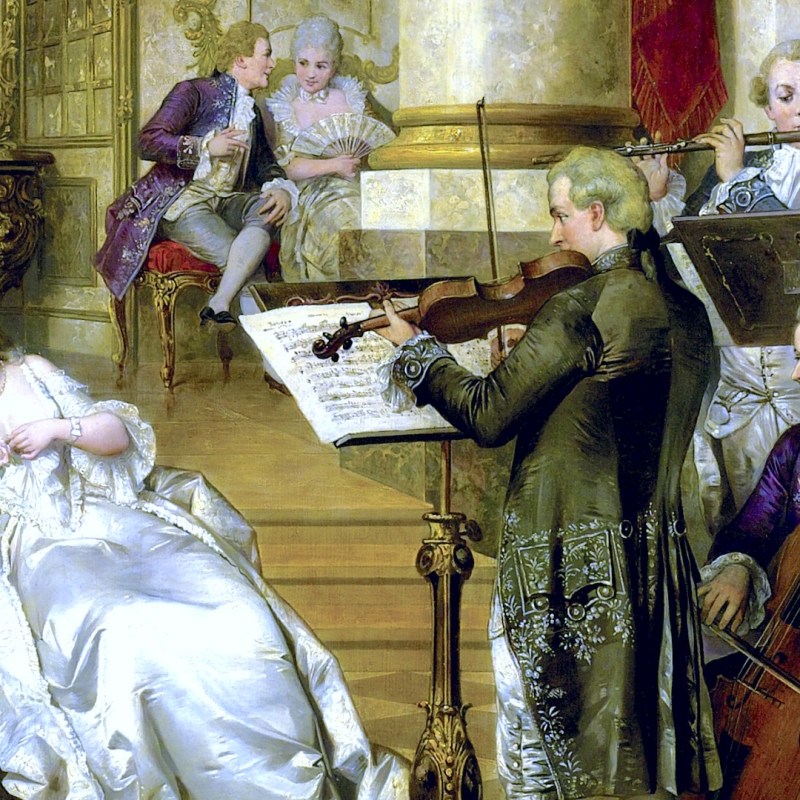
Podcast Episode 08 – Christophe Chiquelier Jr: Louis XV’s Music Man in Louisbourg
As “Keeper of the King’s Instruments” for Louis XV, Christophe Chiquelier Jr’s work was endless but no doubt fulfilling. He was a master musical instrument maker, supplier of harpsichords to the Royal Family, and an instrument collector. But for a brief time during his youth, he was a soldier in Louisbourg, the capital of the French colony of Île Royale, known today as Cape Breton Island. SHOWNOTES MUSIC: Concerts royaux, Quatrième concert – Sarabanda – Armonie Symphony Orchestra, Stefano Seghedoni Pièces de clavecin VI. L’Aimable. Rondeau JS Bach Italian Concerto, BWV. 971 – 2. Andante [harp] Carolan’s Welcome from The…
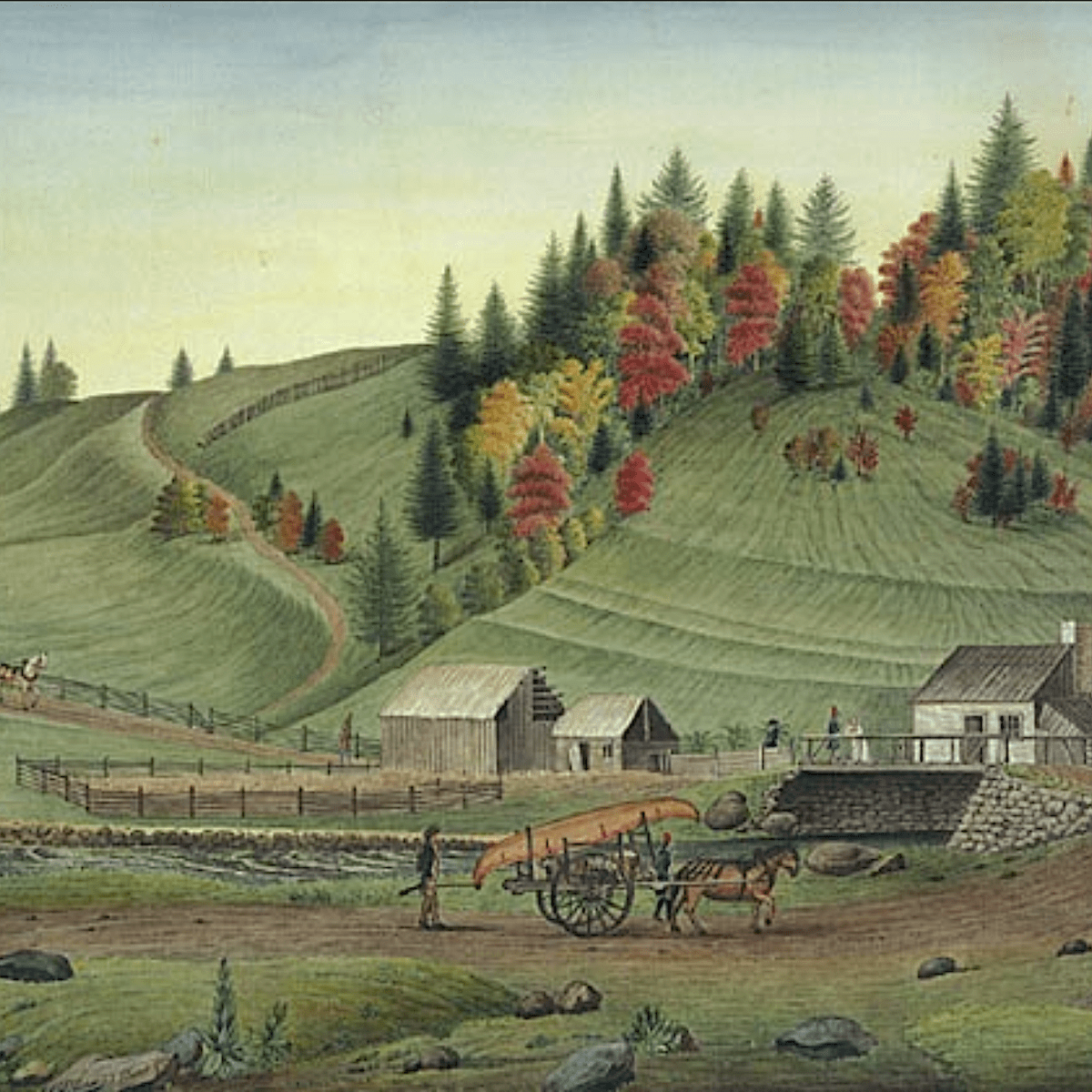
Off The Beaten Track: The Old Roads, Trails and Footpaths of Cape Breton, 1713 – 1758
English poet Edward Thomas once wrote: “much has been written of travel, far less of the road. It is a silent companion always ready for us, whether it is night or day, wet or fine, whether we are calm or desperate, well or sick.” Building on his words, it could be said that roads provide a kind of enduring backdrop to the common human experience. Roads can tell us more than simply how ancient people got from one place to another; they can tell us how they interpreted the landscapes they lived in and help us re-imagine the lives of…
Podcast Episode 07c – The Chevalier de Johnstone: From Culloden to Cape Breton
The finale of our three part series on the life and times of James Johnstone. Follow the Chevalier de Johnstone’s escapades in Cape Breton from 1756 through to 1758 and see how this Scotsman’s memoirs tell the long forgotten stories of Cape Breton’s past. SHOWNOTES – MUSIC: Concerto Grosso for Strings “Palladio”: Allegro Les Habitants – Quand J’étais Sur Mon Père Sinfonia in G Minor, T. Si 7 Symphony No.8 in D Minor, Op. 2 Enigma Variations, Op. 36 BIBLIOGRAPHY: 1. Memoirs of the Rebellion of 1745 and 1746 – https://archive.org/details/memoirsof… 2. The Campaign of Louisbourg 1750 – ’58…
Podcast Episode 07b – The Chevalier de Johnstone: From Culloden to Cape Breton
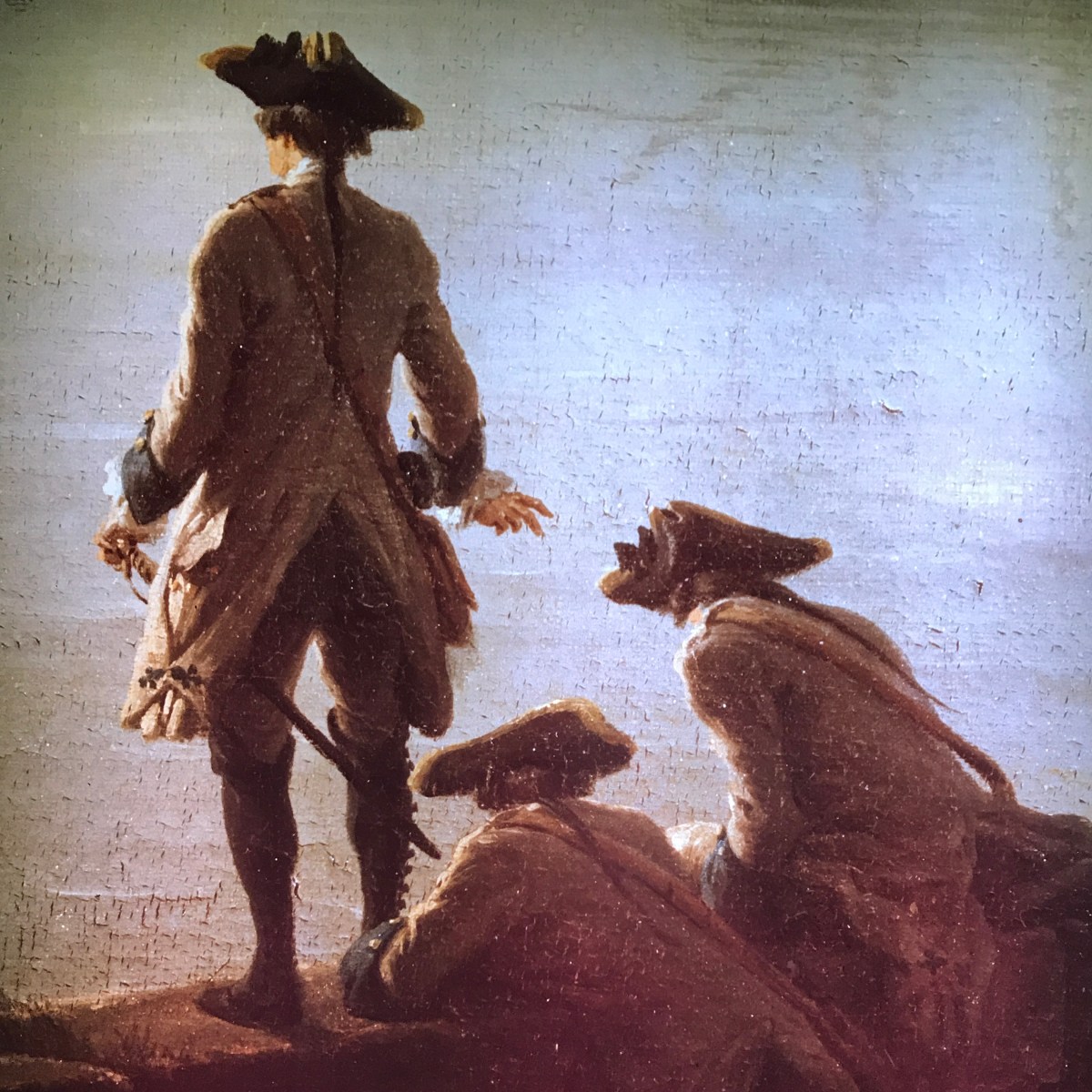
Travel back in time to the year 1753 and see Cape Breton Island through the eyes of Scottish exile the Chevalier de Johnstone. We will also bridge two very different eras in Cape Breton’s past – the French colonial period of the early 18th century, and the era of Scottish migration that took place in the 19th century. SHOW NOTES – MUSIC: Antonio Vivaldi – The Four Seasons-Summer Michael Schaeffer – French Baroque Lute Music Barde – Whelan’s Jig, the Swallow’s Tail, Coleman’s Cross Hopkinson Smith – J.H. Kapsberger Libro Primo d’Intavolatura di Lauto (First Book of Lute Tablature) Roma,…
Something went wrong. Please refresh the page and/or try again.
All maps and illustrations courtesy Bibliothèque nationale de France – Gallica, the Normal B Levanthal Map & Education Centre and the McCord Museum
© J.M Bourgeois & J.R. Bourgeois 2020-2025
 The Lost World of Cape Breton Island
I’m trying to find the source of the illustration shown above for podcast episode 07b. It shows three men looking over a bridge towards the water and seems to be a fragment of a larger painting. Can you give me the title or painter of this image, so I can research it further? Google image search only sends me back to this page, and your illustration credit sends me to a map museum, which doesn’t seem to have anything but maps. Thank you for trying to help me with this quest.
LikeLike
Hi there,
It is part of a much larger painting by French artist Joseph Vernet entitled “2e vue de Bordeaux prise du château trompette”. The three men are soldiers of the Compagnie Franche de la Marine.
LikeLike
Thank you so much for this information. I’ll look it up.
LikeLike